
Sweet Itch: Understanding Insect Bite Sensitivity in Horses
"Sweet Itch" is the common term for insect bite sensitivity (IBH) in horses caused by a fly called Culicoides, also known as "no-see-ums" or biting midges in other parts of the world. Horses with sweet itch are allergic to the fly saliva. A single bite can cause their entire body to feel itchy, and the symptoms from one bite can last up to 2 weeks.
Symptoms
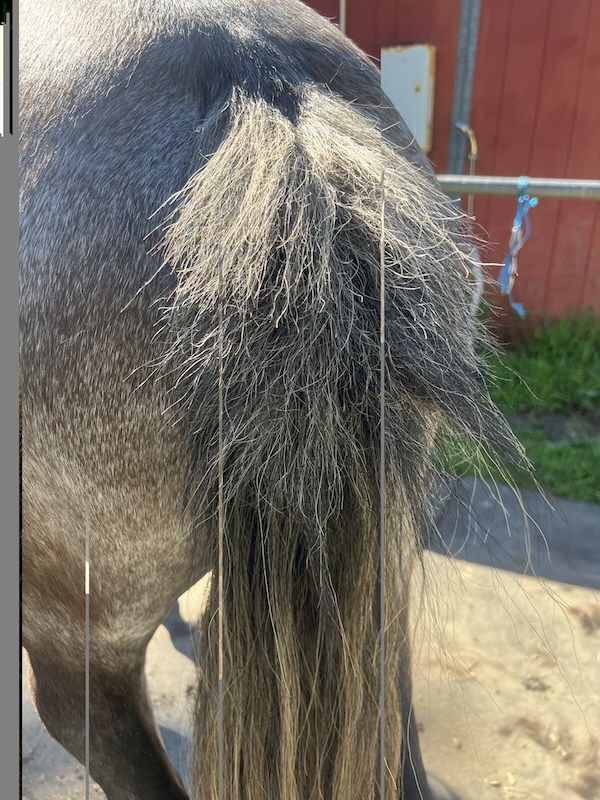
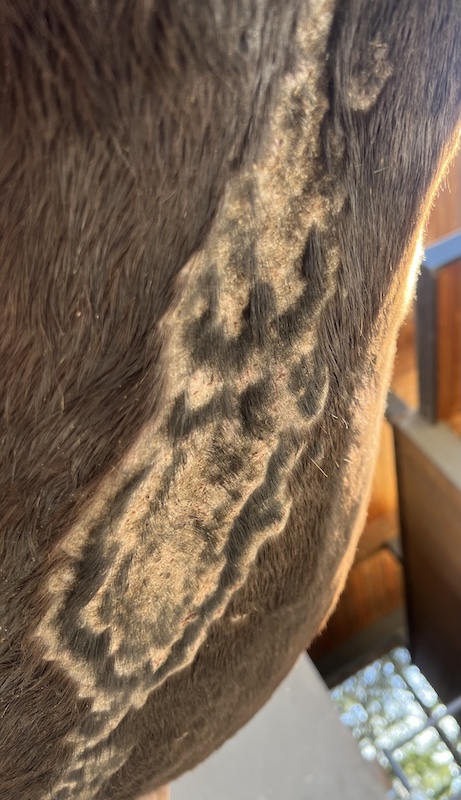
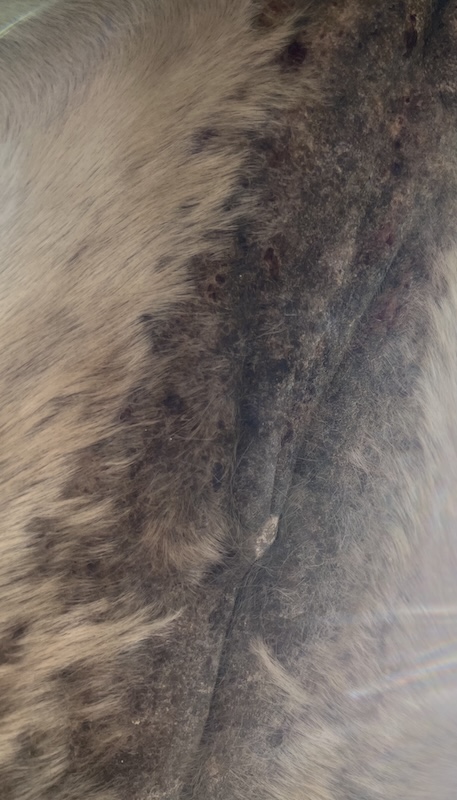
Sweet itch most commonly presents with horses itching their mane, rump, tail, withers, and belly. The constant rubbing and self-trauma result in hair loss, skin thickening, and sores. In severe cases, horses can develop secondary infections from the traumatized skin.
Prevention
The best prevention is keeping horses from getting bites. However, this is extremely difficult since Culicoides tend to come out at dawn and dusk and are very difficult to see, hence the name "no-see-ums."
Fly Sheets
Use fly sheets with as much coverage as possible, especially over the belly, tail head, and neck. WeatherBetta ComFiTec Sweet Itch Combo is an example of the type of coverage needed. Adding a fly mask is also recommended.
Stabling
Stabled horses rarely have as severe cases of sweet itch. Additional protection can be added by installing screens on stalls or running fans to further reduce fly exposure.
Topical Repellents
Picaridin: Recently available in the US, this synthetic repellent is less toxic and more effective than DEET. Use it diluted to a 20% concentration.
Herbal Repellents
Studies have shown that Neem and other essential oils, when applied twice daily, significantly decrease symptoms.
Mane Wax
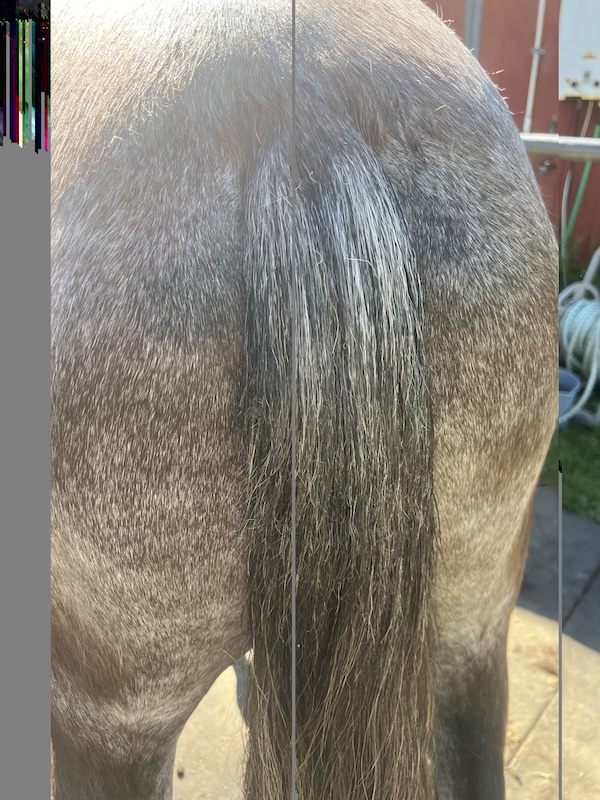
Mane Wax combines a topical barrier of beeswax infused with repellent essential oils, such as Neem and lemon eucalyptus. Created to provide a natural product that lasts over 12 hours on the horse's coat.
Treatments
Please consult your veterinarian to explore appropriate treatments for your horse.
Immunotherapy
Immunotherapy is becoming increasingly popular for treating sweet itch. Autoserum Granules show approximately 70% improvement rates, while IL-5 vaccines show about 50% improvement in symptoms.
Antihistamines and Steroids
Historically, antihistamines or steroids have been the most common treatments, but they usually provide only temporary relief.
Allergy Shots
Allergy shots are an option, though studies show they are only about 60% effective.
A Veterinarian's Perspective
As both a horse owner and a veterinarian, I have full empathy for the challenges that sweet itch presents:
- •"Sweet itch is worst in the summer, and it's too hot to have my horse in a fly sheet."
- •"Keeping my horse in a stall with fans while the others are out is not manageable."
- •"I put repellent on my horse and have tried everything over-the-counter, including herbal products, and they all only last for about one hour."
- •"I do not want to put my horse on steroids and take the risk of laminitis."
And my personal favorite: "I can't believe I have a mustang who was bred and rounded up in the wild, and he is allergic to flies."
These challenges are what led me to create Mane Wax. I needed something that would stay on and repel bugs effectively but wouldn't be harmful to the skin and coat, or to my family's safety when touching and breathing around it.
Thank you for your support.
Dr. Kari
Veterinarian & ManeWax Creator